About Us
Conserving the Pride of Manipur
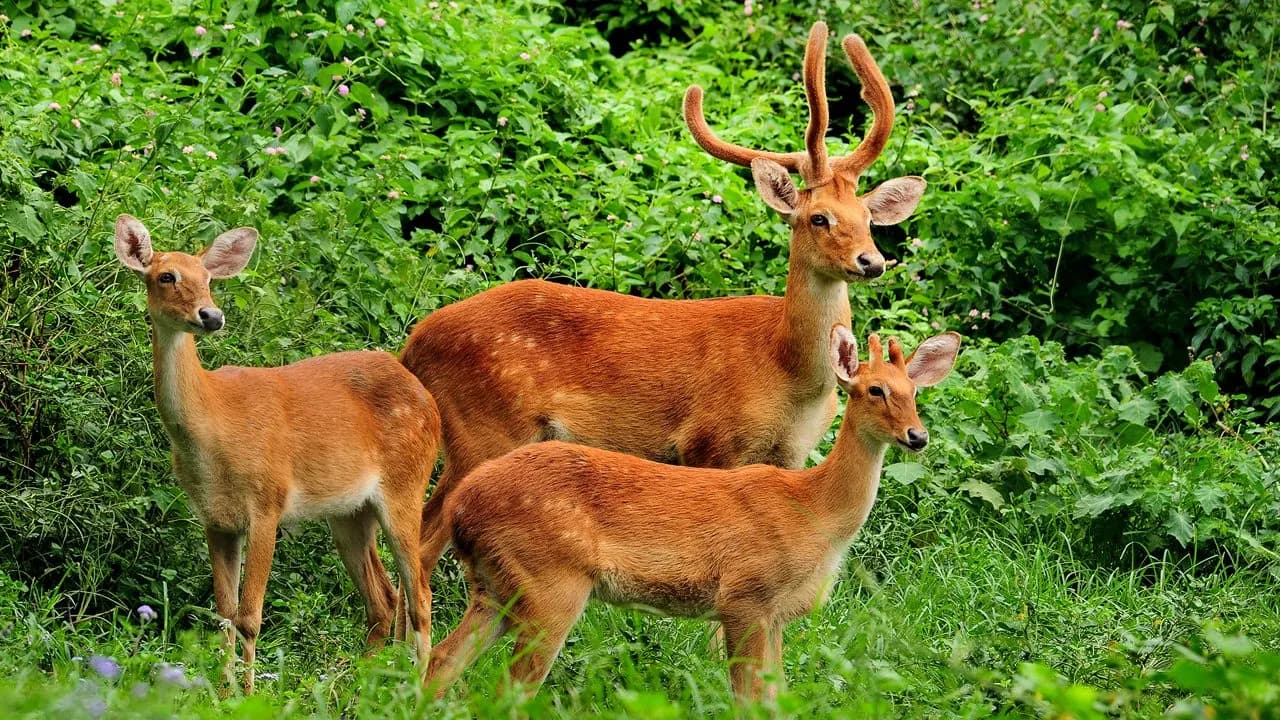
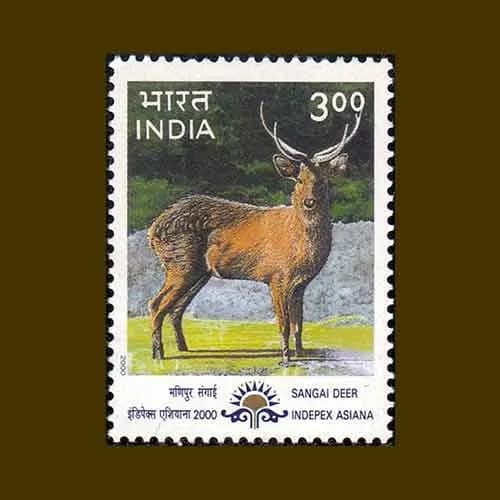
Sangai
Scientific Name: Rucervus Eldii Eldii (Mcclelland) Common Name: Manipur Brow-Antlered Deer, Dancing Deer
The single isolated population of Sangai in its natural habitat is found only at Keibul Lamjao National Park, Manipur over the floating biomass locally called "Phumdi" in the South Eastern part of the Loktak Lake. It is the unique floating National Park in the World.
Comparison with other sub species
There are three sub-species of Rucervus eldii in the world; the other two Eldii sub-species are Rucervus eldii thamin of Myanmar, Rucervus eldii siamensis of Thailand. Although these subspecies names were assigned rendering to the morphology of their antlers, the phylogeny of its subspecies is still debated. The isolated population on Hainan Island in China is widely recognised as the fourth subspecies of Eld’s deer as R. e. hainanus. Of the three Eldii sub-species, Sangai, Rucervus eldii eldii, has the least population in the wild and thus the most endangered.
Morphology
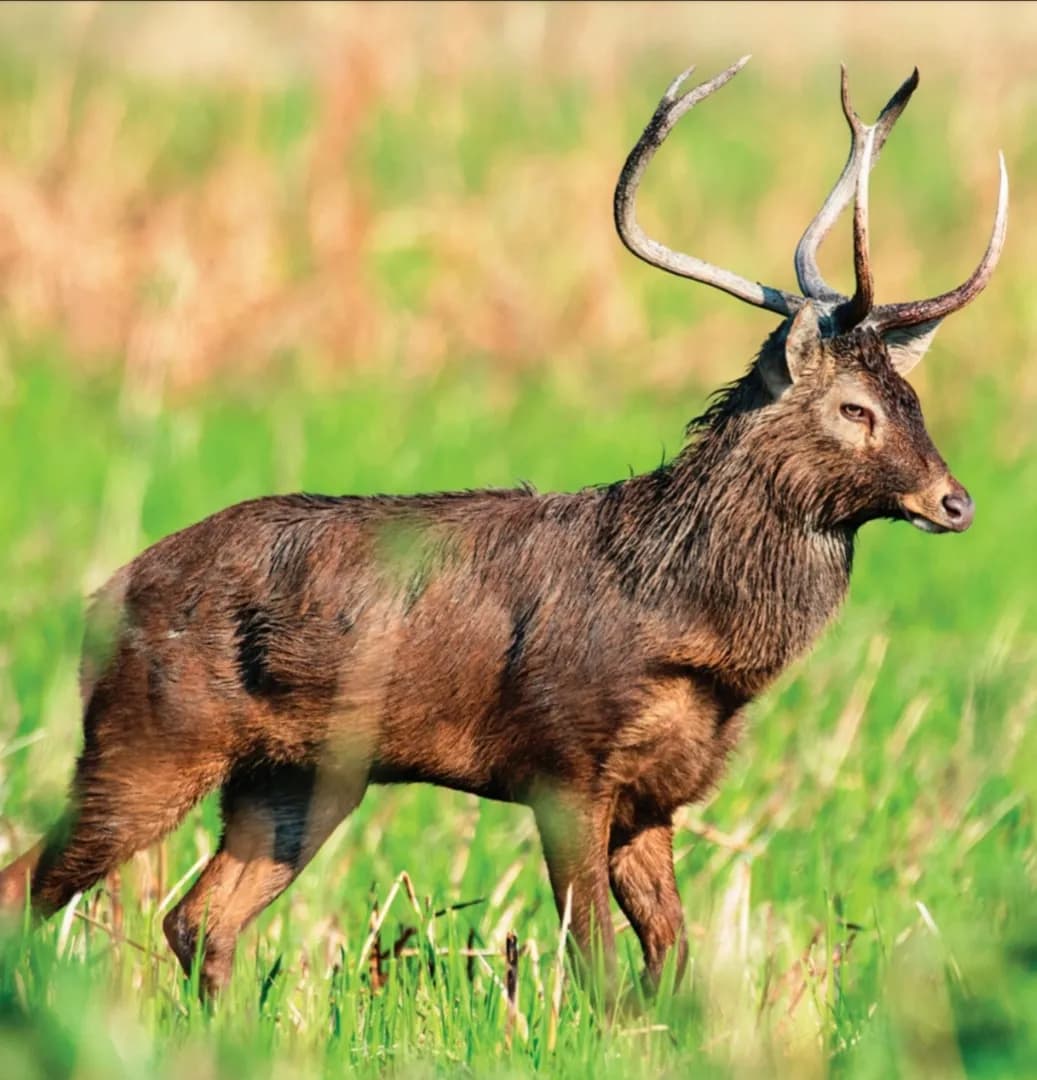
Sangai is a medium sized deer. The size of a fully grown Sangai stag is about 110 cm to 125 cm high at the shoulder and Sangai hind is about 105 cm. The length of an adult ranges between 145 cm-155 cm. The mature Sangai Stag weighs about 110 Kg.
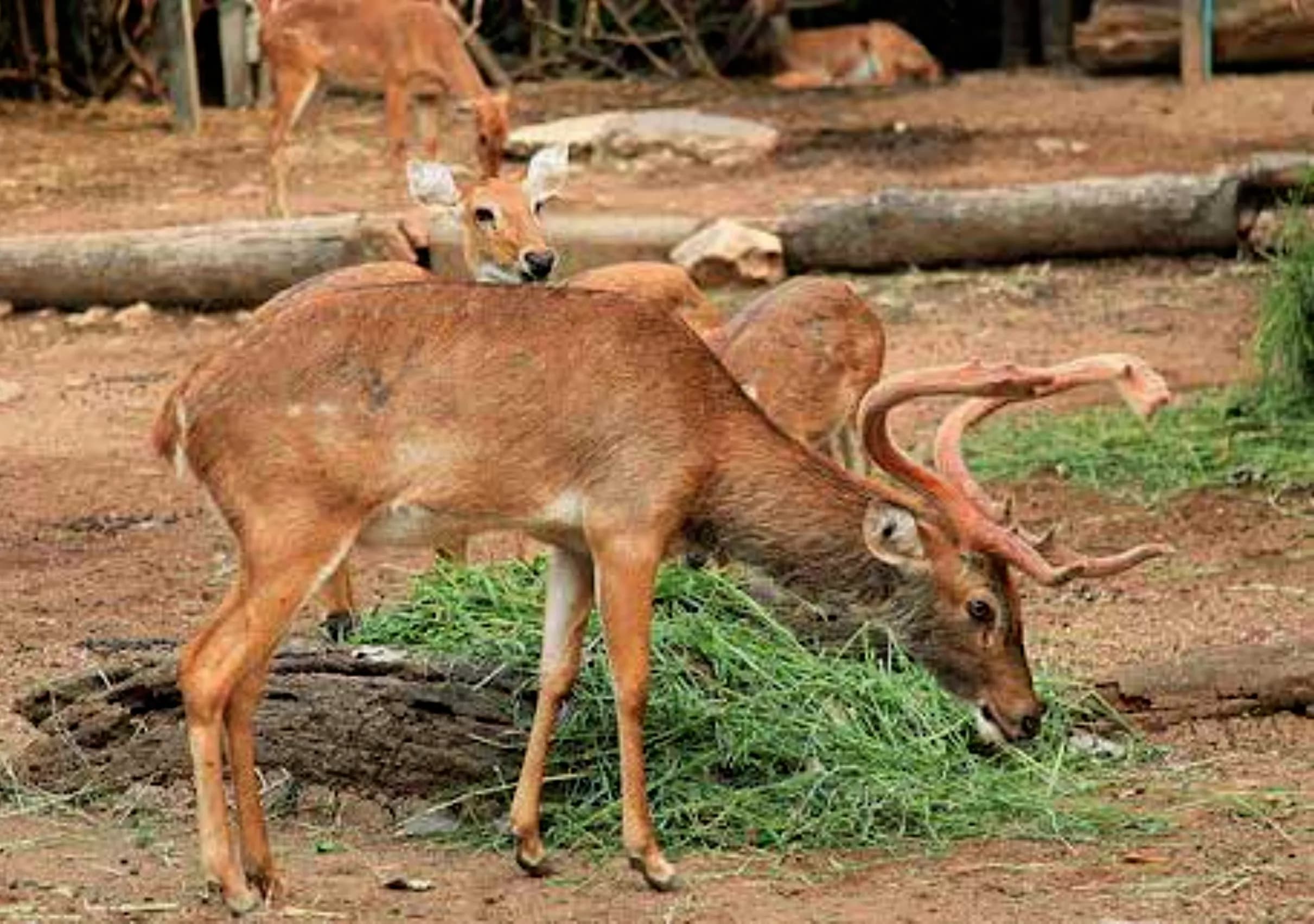
Rucervus eldii siamensis of Thailand, Laos, Cambodia
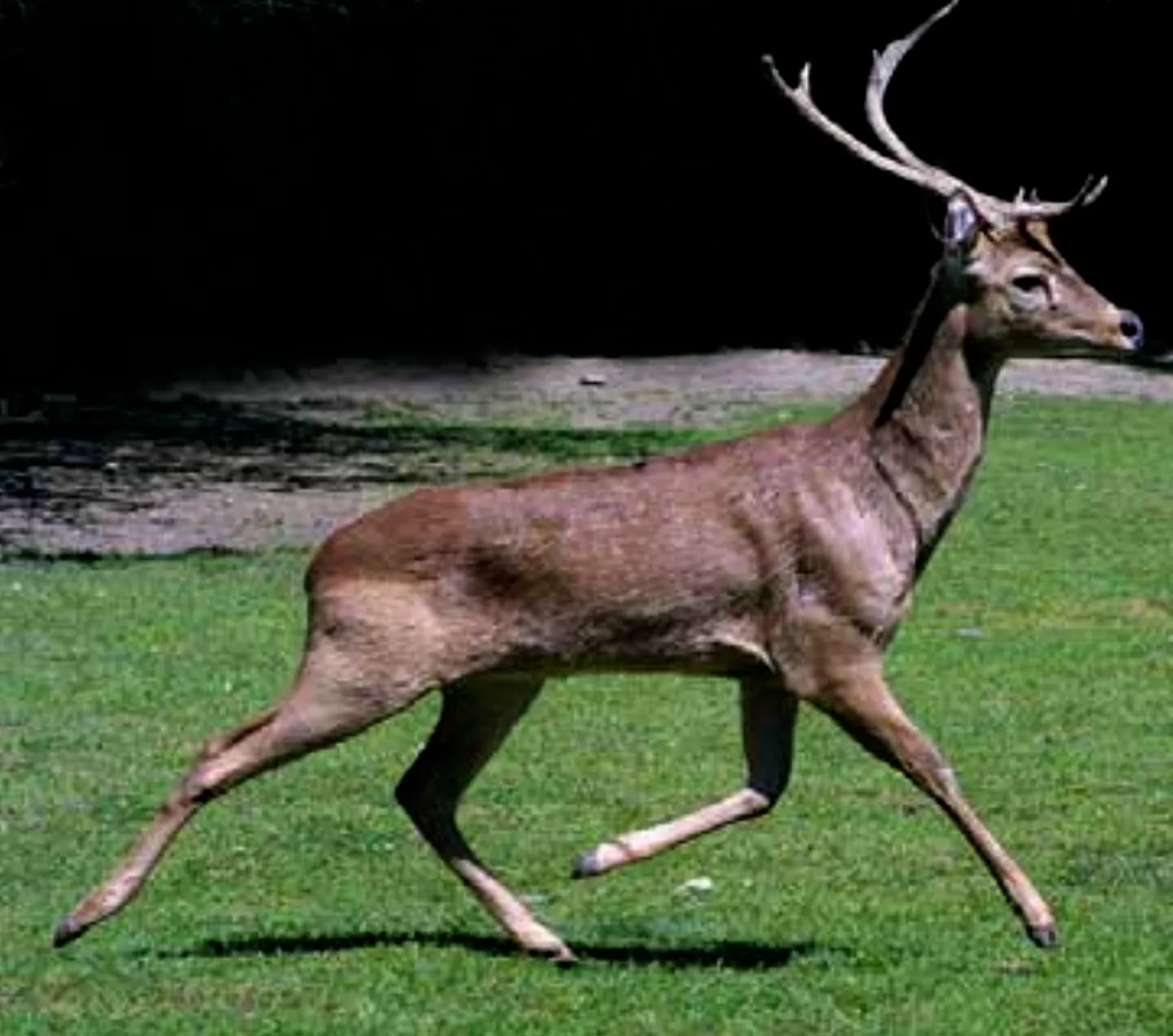
Rucervus eldii thamin of Myanmar & Thailand
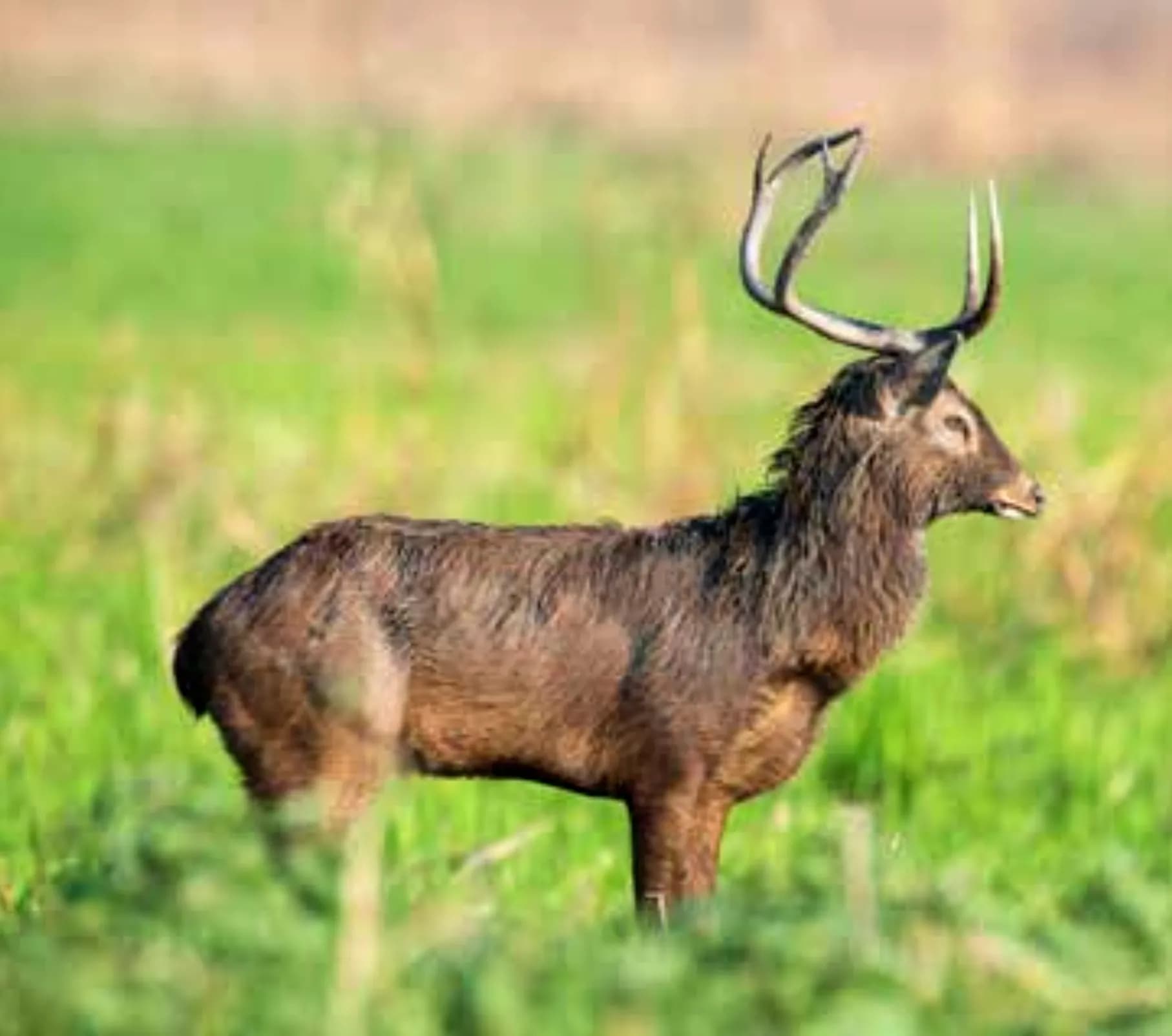
Rucervus eldii eldii of Manipur (Sangai)
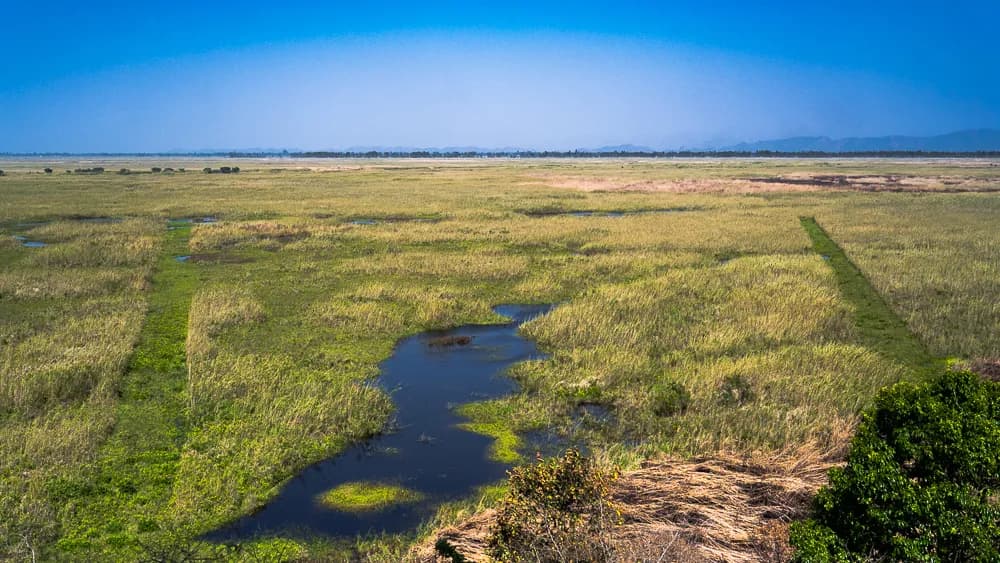
History of Keibul Lamjao National Park
Sangai was once reported extinct in 1951 and was re- discovered and counted six heads in 1953 by Eldi Percy Gee, the then Honorary Secretary, Indian Board for Wildlife, Eastern Region in a survey conducted under the auspices of the IUCN. It was the 1st turning point for Sangai Conservation. Following this event, the Manipur Wildlife Advisory Board declared Keibul area as Protected Sanctuary and Sangai as Protected Animal in its meeting held on 10/12/1954 (Manipur Gazette, February 2, 1955).
Further conservation measure were taken up and Keibul Lamjao area was declared as Protected Forest vide notification No. 55/10/65-M(Pt) dated 25/11/1965. Again Keibul Lamjao area was declared as Reserved Forest vide notification No. 60/10/72-For dated 20/11/1974 under Indian Forest Act, 1927.
The 2nd turning point for the Sangai Conservation was the initiative of Government of India during 1975. A team led by Dr. MK Ranjit Singh, the then Deputy Secretary, Ministry of Agriculture, Government of India was instructed to go to Manipur and assess the population of Sangai. The team counted 14 heads of Sangai in 1975.
Keibul Lamjao covering an area of 40.00 Sq. Km. was declared as full fledged National Park called Keibul Lamjao National Park by the State Government of Manipur vide notification No. 60/20/75-For dated 28/3/1977 for protection of its flagship species Sangai and other associated wildlife namely Hog deer, Wild boar etc. under the provisions of Wildlife (Protection) Act, 1972.
Further, Kumbi-Pat area of 5.2 Sq. km along the South Western boundary and the area of 1.5 Sq. km to the North between Mukap-Ching and Mantha-Ching has been declared as First Extension of KLNP as specified in notification No. 25/1/2015-For & Envt. dt. 16.09.2016.
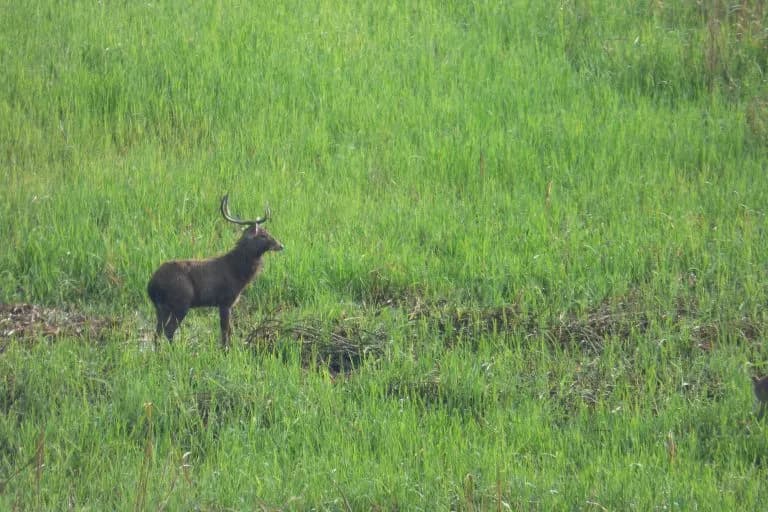
The Floating Habitat of Sangai – Phumdi
The fresh water lake ecosystem of Loktak with "Phumdi" represents significant ongoing ecological and biological processes. Southern portion of Loktak Lake forms the Keibul Lamjao National Park which is a continuous mass of Phumdi occupying an area of around 26 Sq. Km. Phumdi is a heterogeneous mass of soil, vegetation and organic matter at various stages of decomposition. It provides a magnificent vista of green floating islands all over the lake. A Phumdi may be initiated with a small mass of undecomposed organic matter or dense growth of water hyacinth that accumulates some suspended silt and is gradually colonized by grasses and other herbaceous plants.
The high proportion of vegetable matter in the Phumdi gives it a specific gravity and high buoyancy to keep it afloat. They float on the lake one-fifth of their thickness above and four-fifth under the water surface. The maximum thickness of a Phumdi is 8 ft., but its thickness varies in time and space depending on the conditions during its formative stage. The core of Phumdi is composed of detritus material, which is black in colour and is highly spongy (Trisal & Manihar, 2004). It is constituted of organic carbon (36%), nitrogen (2.08%), organic matter (24.98%) and other residues including mineral matter (37.94 % ) (Saratchandra, 1977). All together Phumdi plays an important role in the ecological processes and functions of the lake ecosystem. They provide a biological sink to the key nutrients and govern the water and nutrient dynamics of the lake. Phumdi plays a critical role in the maintenance of the lake hydrological regime. The pulsating water level in the lake is essential for the growth of Phumdi.
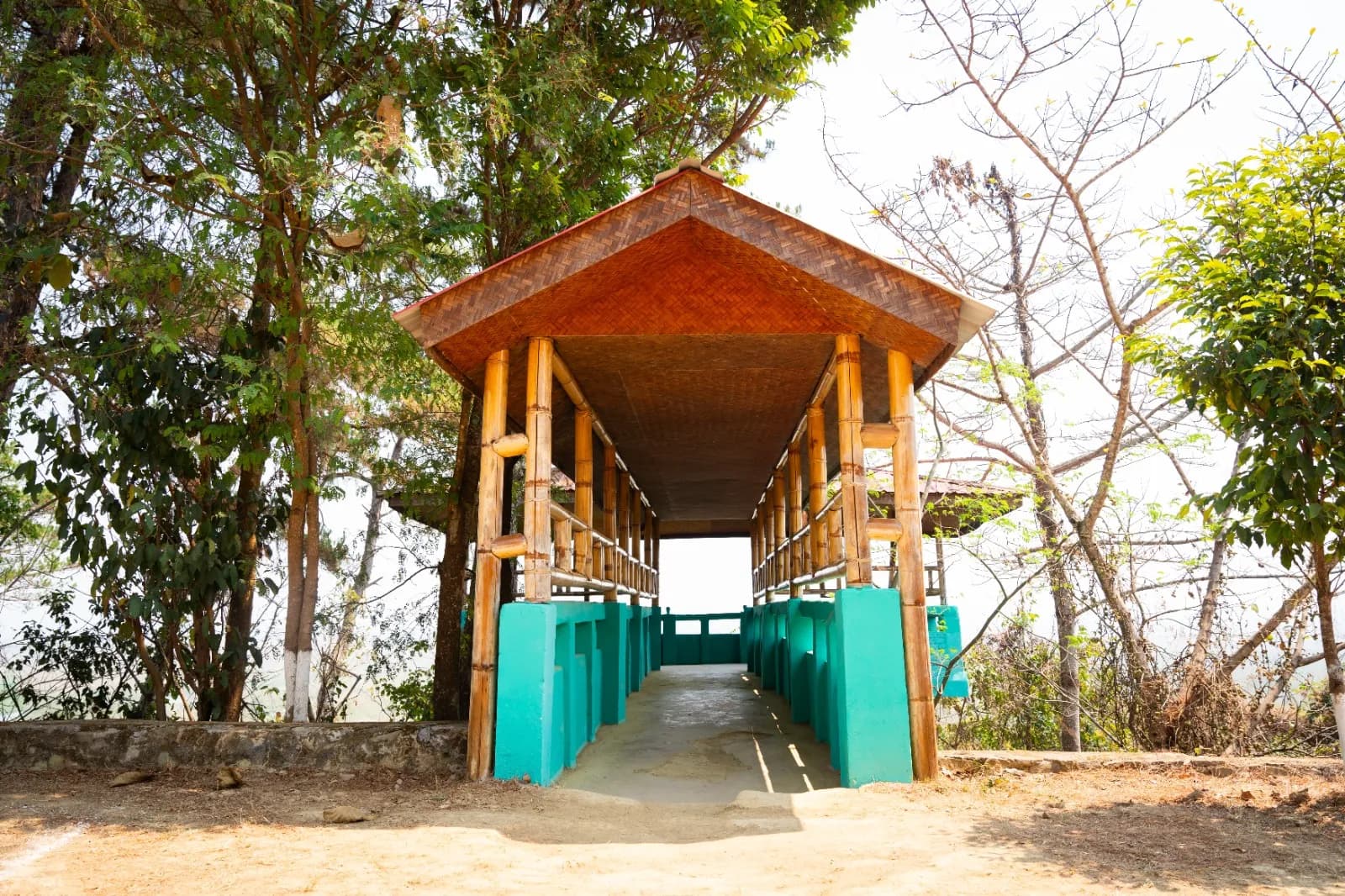
Conservation Journey
Once distributed throughout the Southeast Asia, extending from Manipur to Indo-China, the Rucervus eldii deer are now confined in patches in Manipur, Myanmar, Lao PDR, Cambodia, Vietnam and Hainan islands. Its global population is declining rapidly and is endangered.
Sangai was reported extinct in 1951 at Keibul area; but counted 14 heads in 1975. With relentless protection, conservation efforts and with local support; Forest Department Manipur became successful in increasing the population of Sangai to 251 in 2018.
Fauna
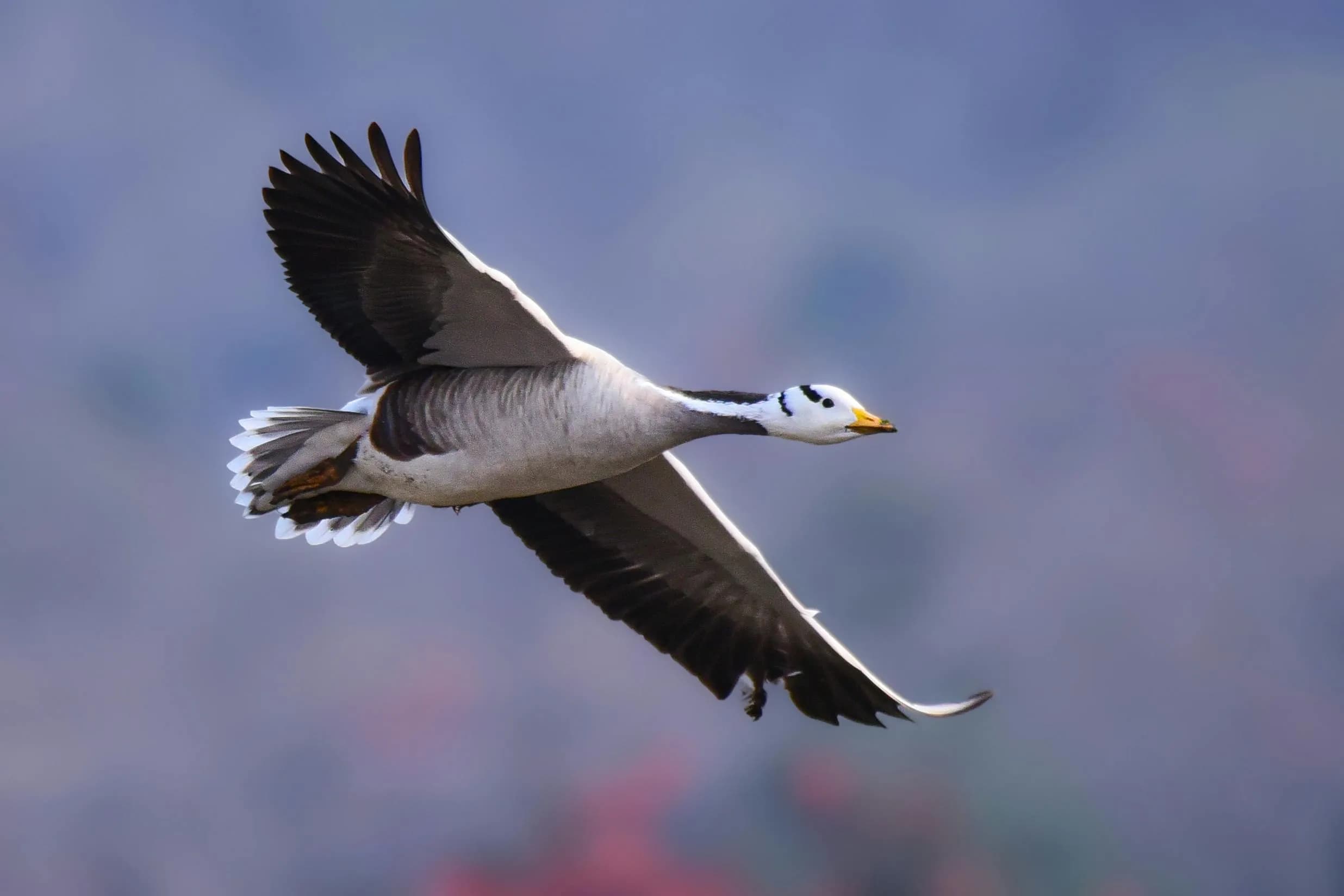
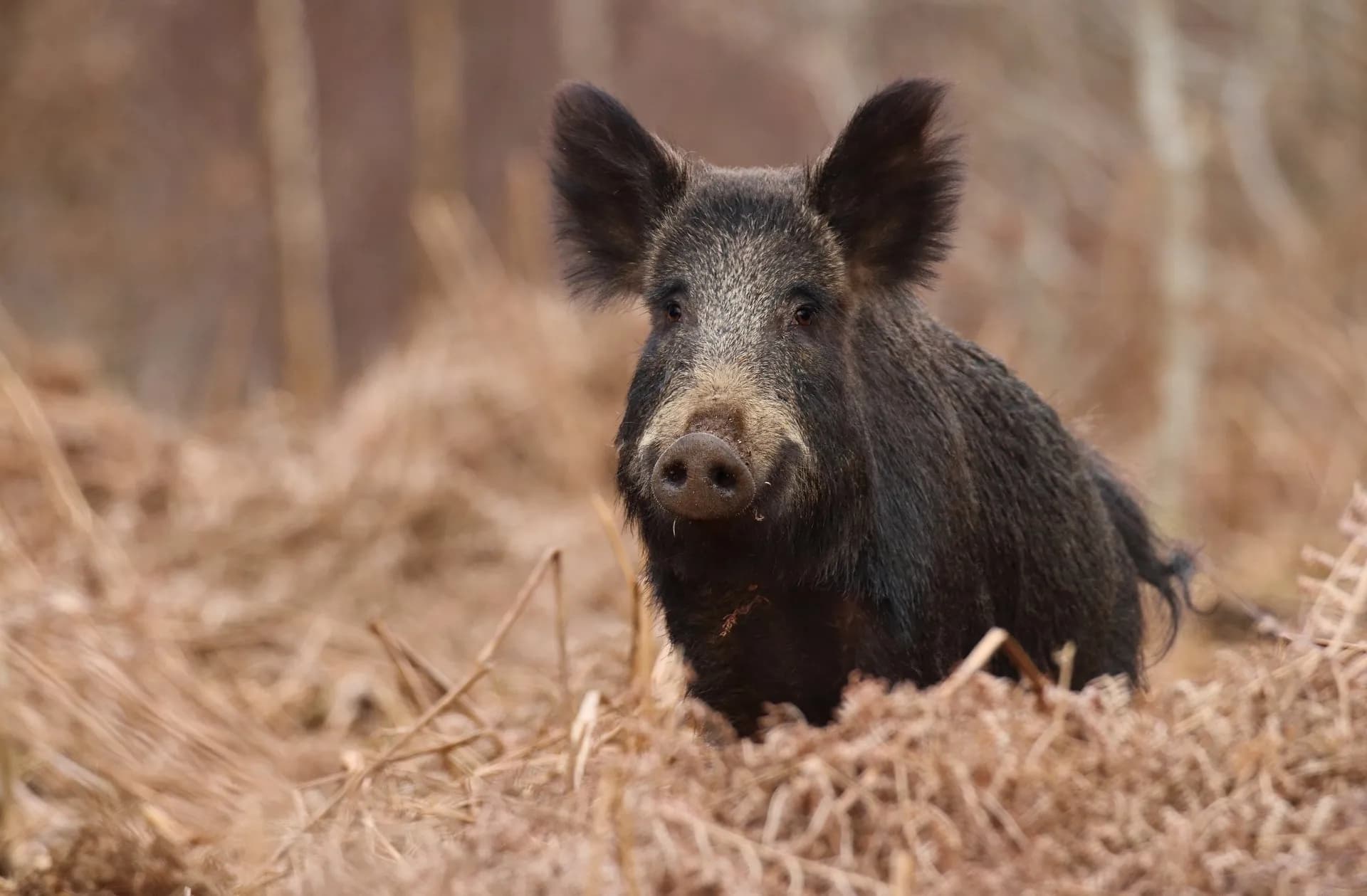
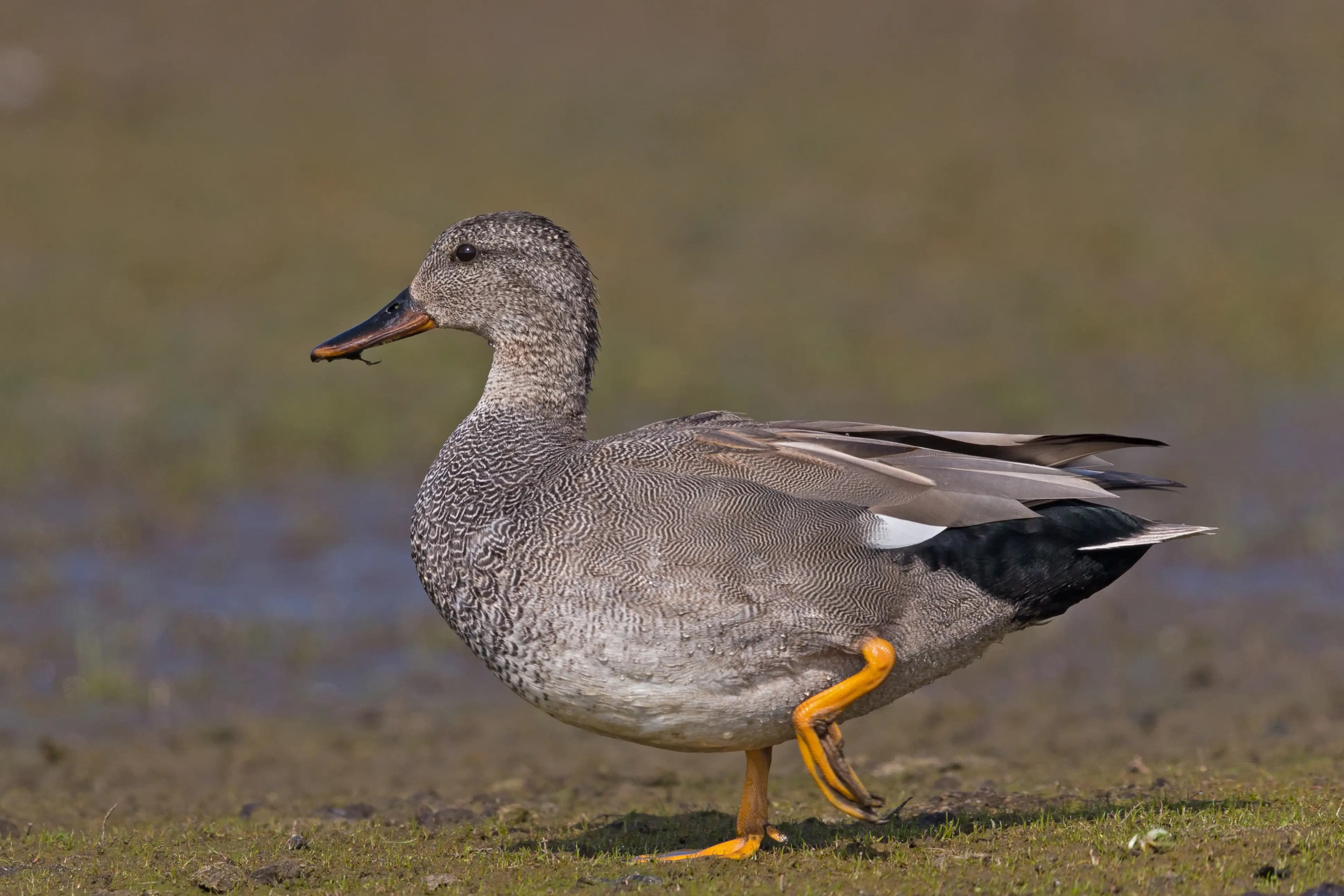
Apart from Sangai and Hog deer, the other biodiversity found in the Park are 22 species of mammals such as Wild Pig (Sus scrofa), Common Otter (Luthra luthra), Indian Civet cat (Viverriculata indica) and 25 species of reptiles such as Fresh water Turtles, Viper, Krait, Cobra, Python etc. The Park harbours important migratory birds such as Baer's Pochard (Aythya baeri), Mandarin Duck (Aix galericulata), Bar-headed Goose (Anser indicus), Ruddy Shelduck (Tadorna ferrguinea), Shoveller (Anas strepera); Gadwall (Astrepera streperal), Little Grebe (Tachybaotus rificollis), Northern Pintail (Anas acuta), Pochard (Aythya ferina), Baikal Teal (Anas Formosa), Little Cormorant (Phalacrocorax niger) etc. The total avian-fauna both resident and migratory found in the Park is more than 150 species. There are many indigenous fish species such as Anabus testudineus, Channa striatus, Monoterus album etc.
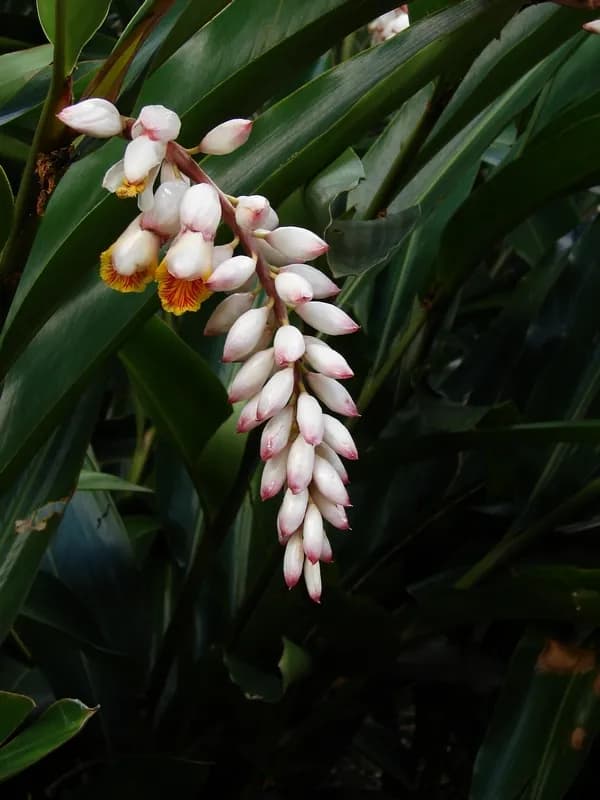
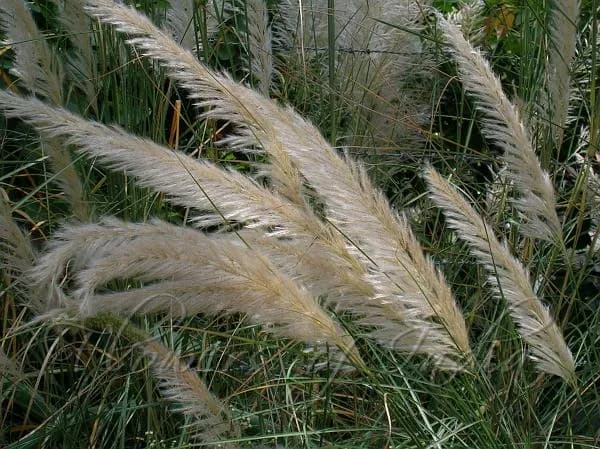
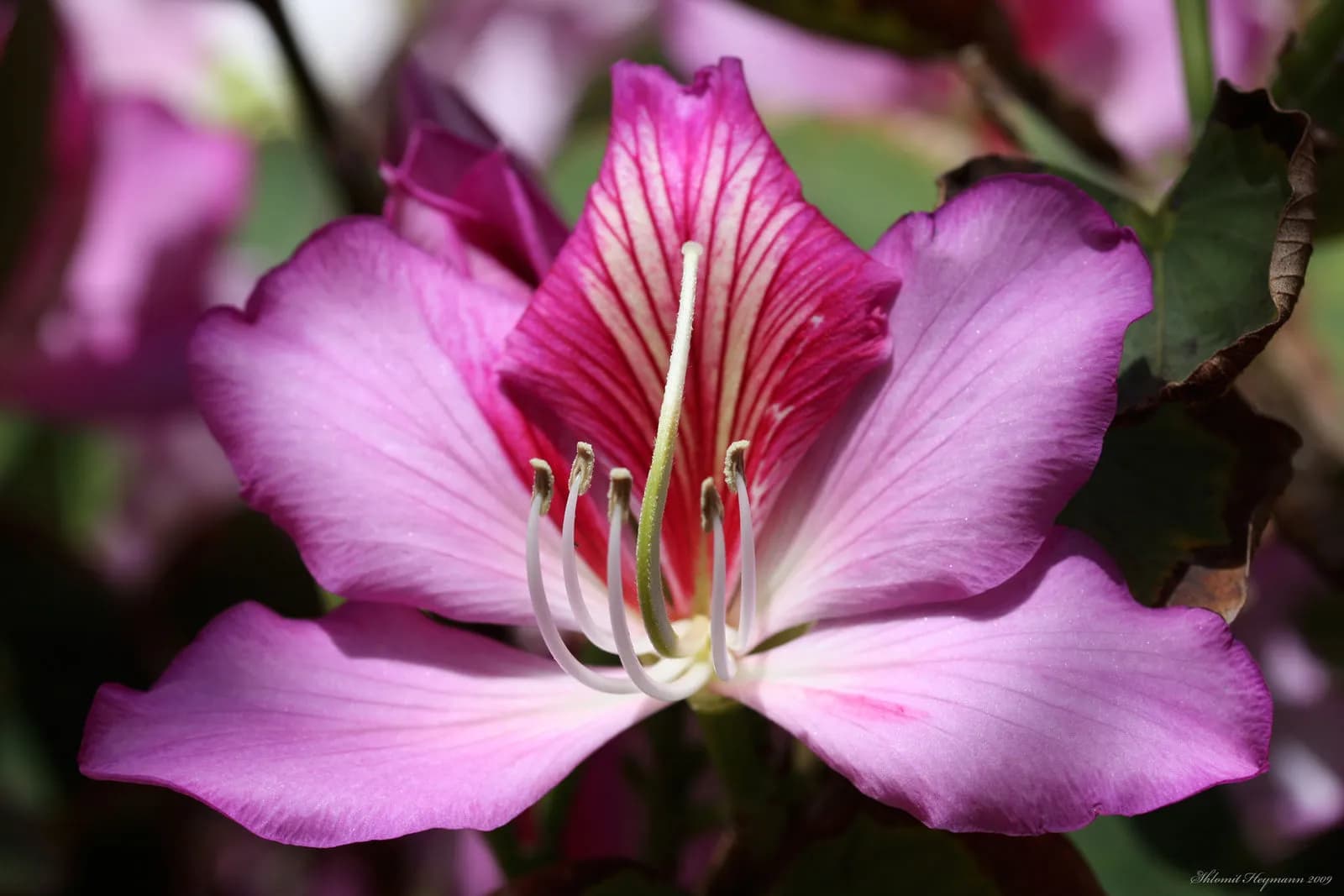
Flora
- Zizania latifolia
- S. bengalensis
- Cynodon dactylon
- Alpinia galanga
- Saccharum munja
- Phragmites karka
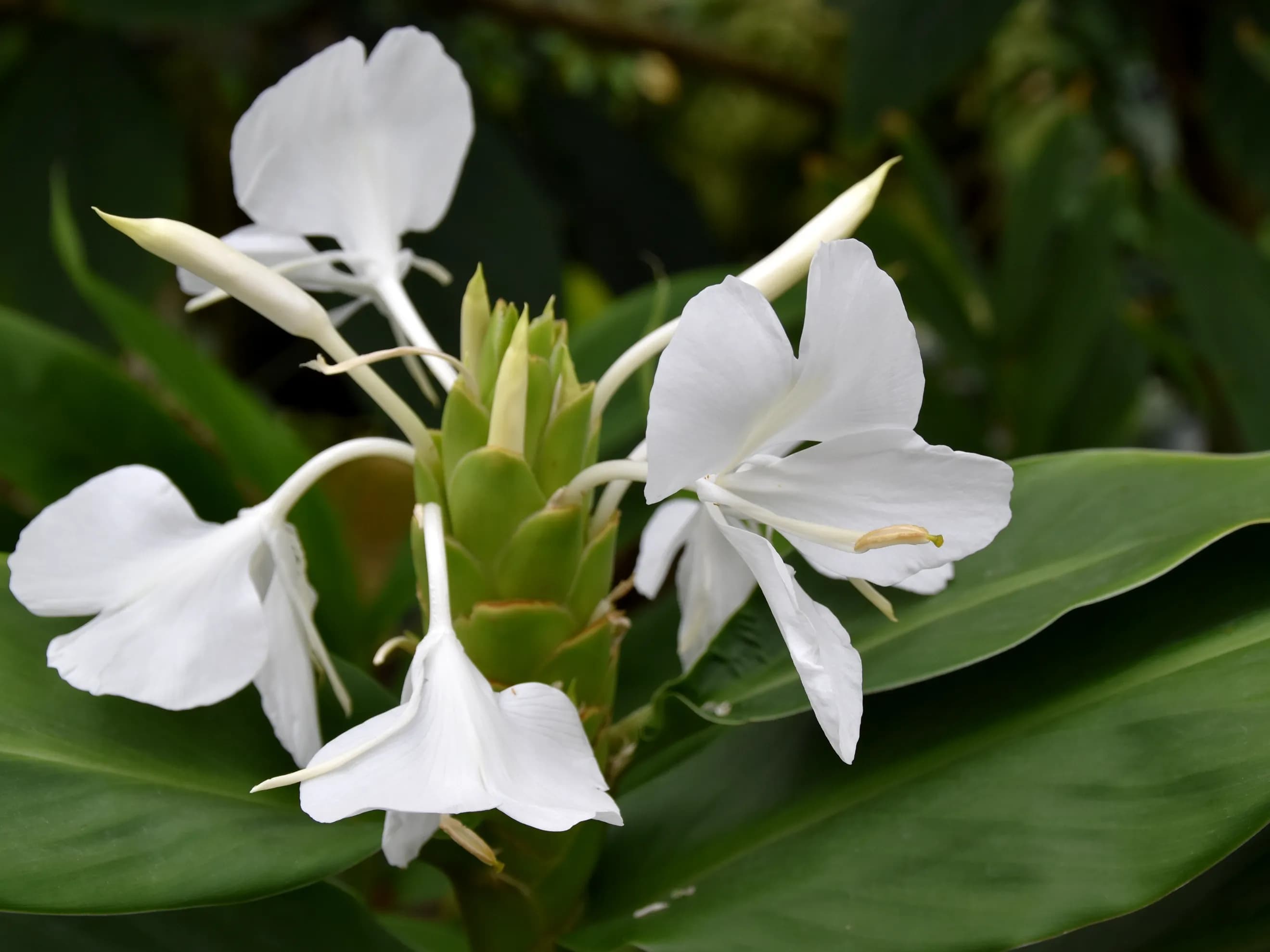
- Hedychium coronarium
- Arundo donax
- Erianthus arundinaceus
- Erianthus procerus
Cultural aspects of Sangai
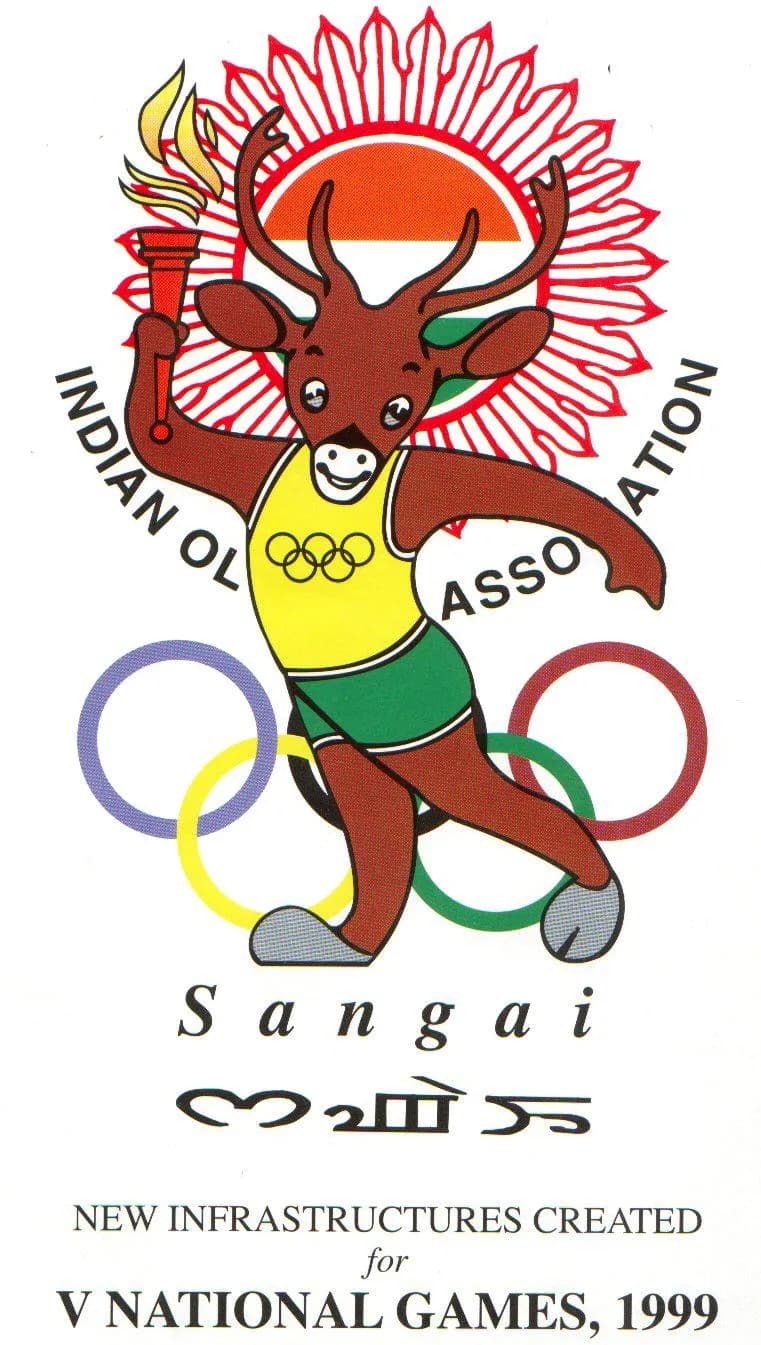
Sangai was declared the State Animal vide Govt. of Manipur order No 60/5/86-For (pt) Dated 21/3/89. Sangai is revered very dearly by the Manipuri Society. It was given the name "Ningthem" meaning "beloved son" in the Fifth National Games held at Imphal in 1999 and it was the Mascot of Fifth National Games; where for the first time in the history of Indian sports, Manipur came with flying colours by winning the over all team championship. There are enumerable business houses or products or brands which use the name of our "Ningthem". Tourism Department of Manipur named the State Level Tourism Festival as "Sangai Festival" from 2010 onward. Overall, Sangai is the Pride and symbol of Manipur society.
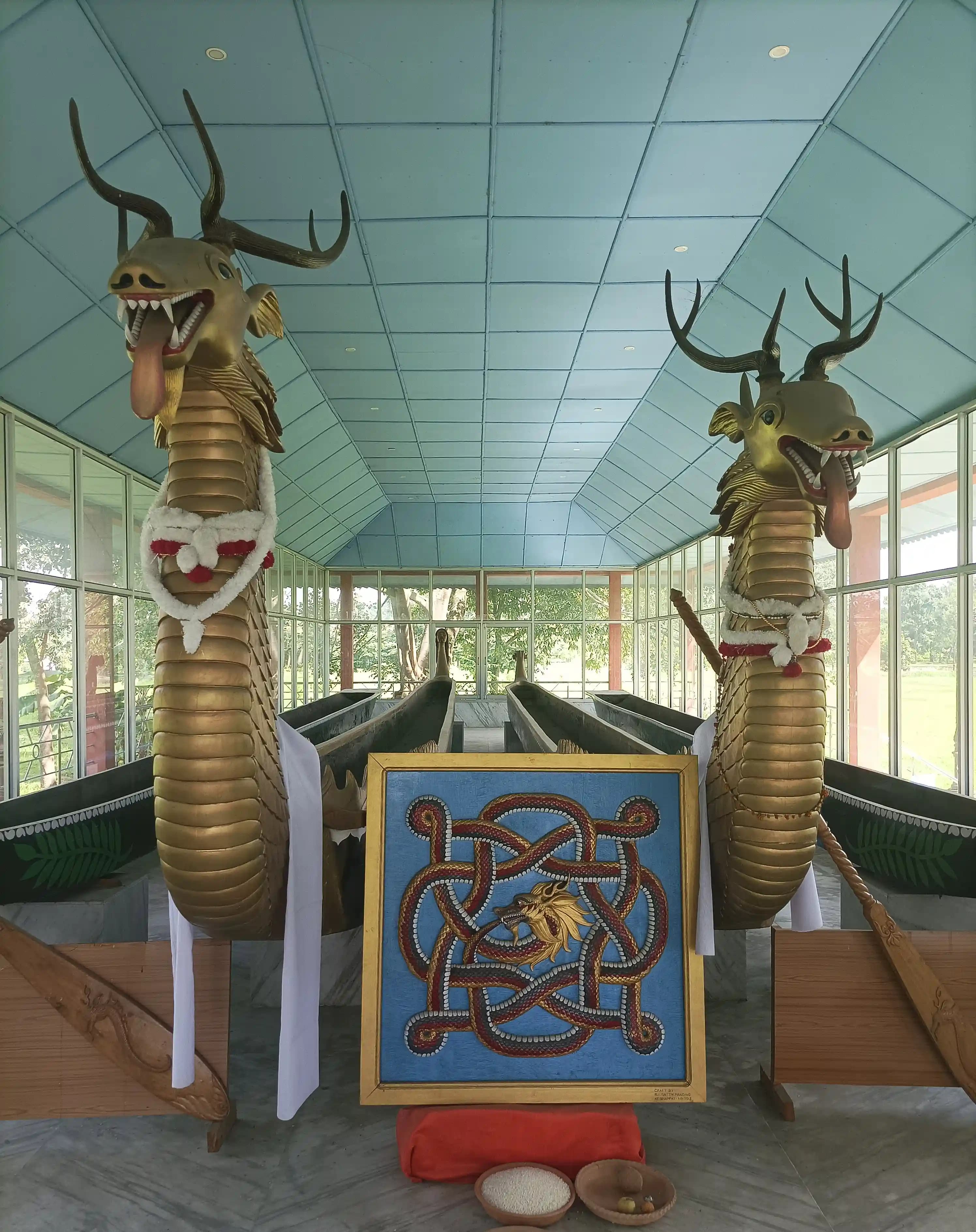
Many legendary stories associated with Sangai. One of such legend is that a prince of Luwang clan (one among the nine clans of Meitei tribe) of Manipur had transformed himself into a majestic deer to be known as Sangai. Second, the ancient royal boat (Hiyang Hirel) had the decoration of Sangai head on its head part. Third, according to Moirang Kangleirol (Folklore of Moirang), a legendary hero called Kadeng Thanjahanba, once brought a gravid female Sangai as a loving gift for his beloved Tonu Laijingrembi and released the deer free in the wild of Keibul Lamjao, thence-forth the place became the only abode of the Sangai.